
Our Journey

Keeping the player at the core of everything we do
— see how Social Cues has evolved.
Socialising comes first, gameplay second

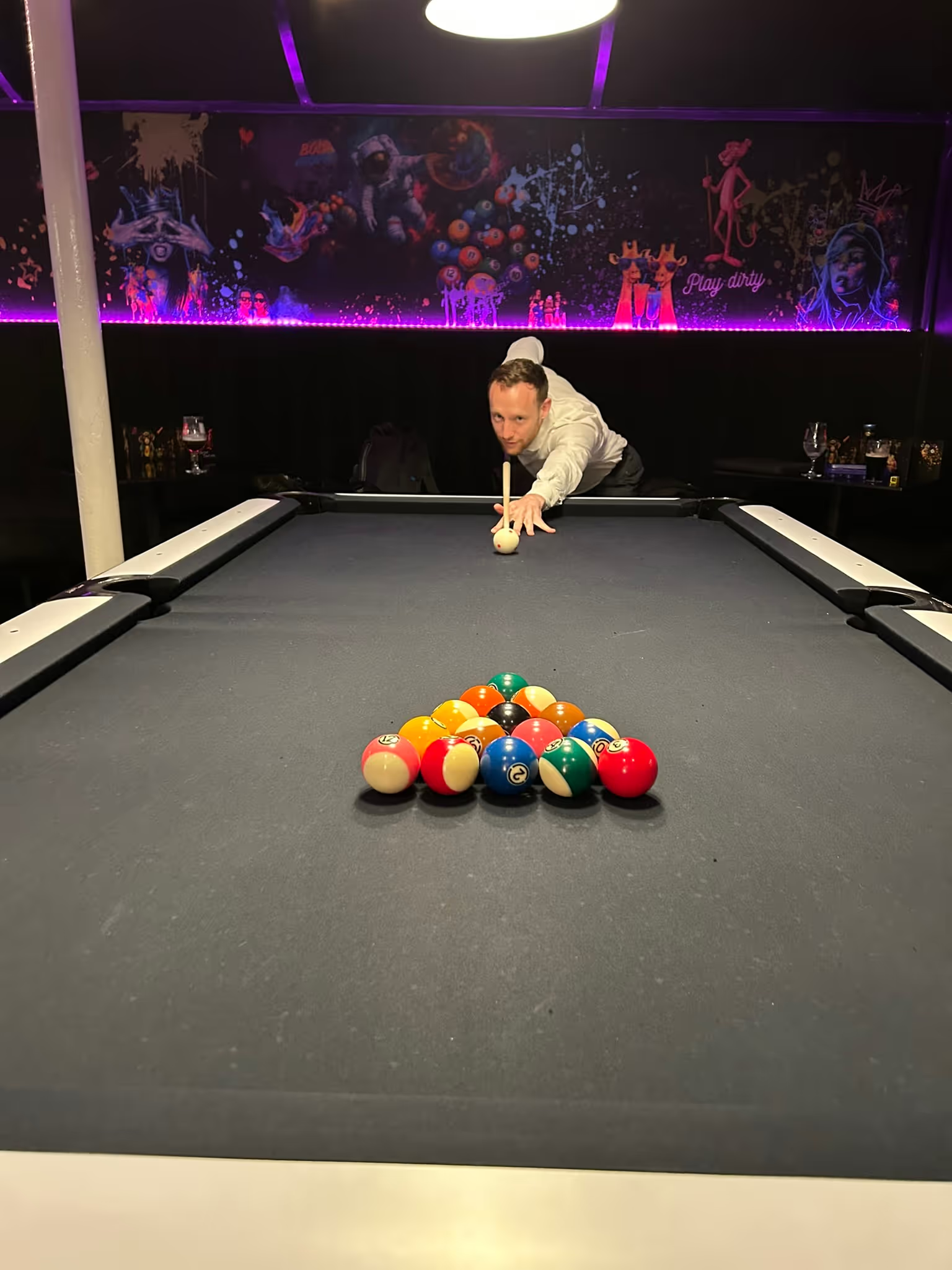
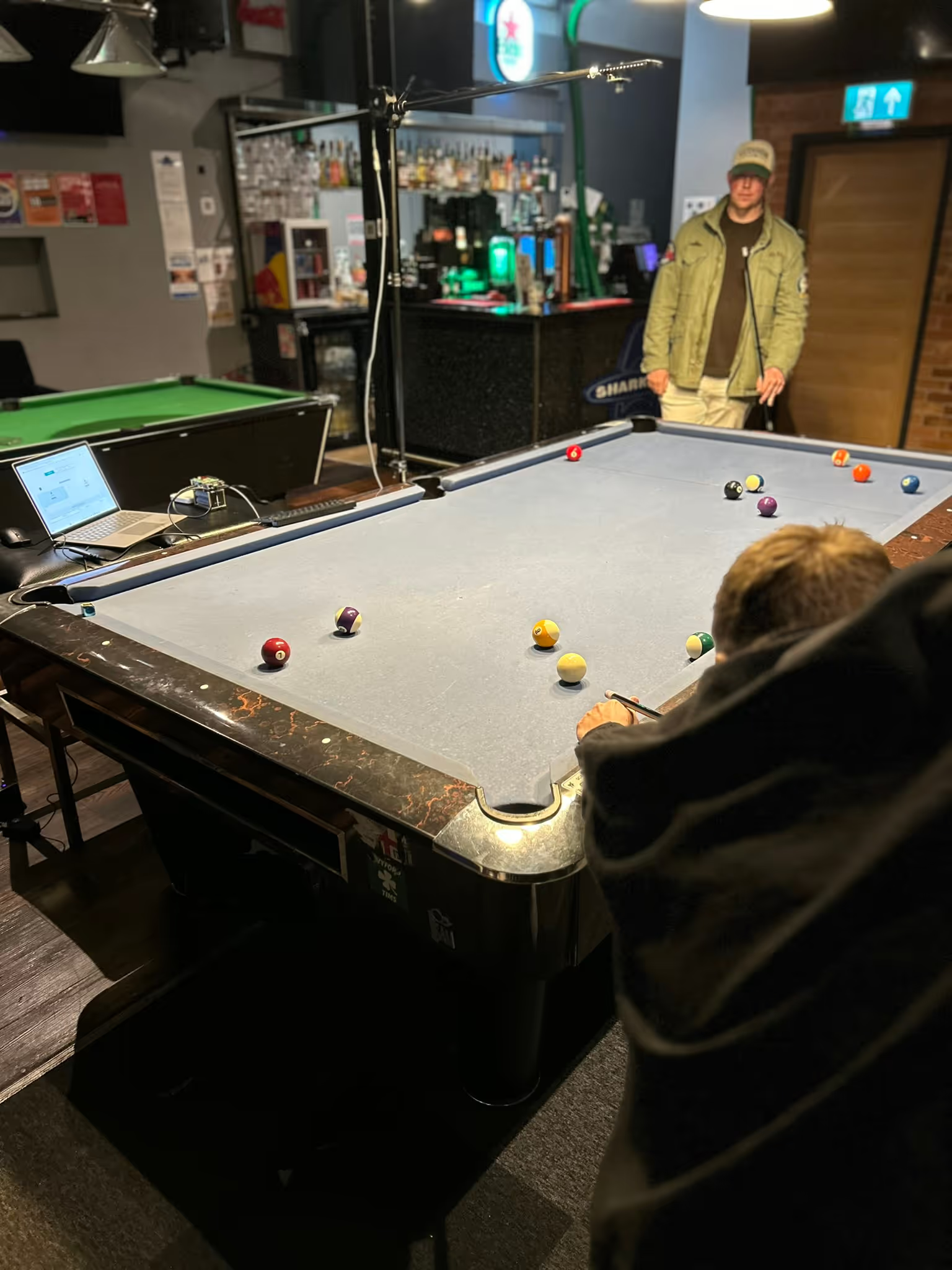
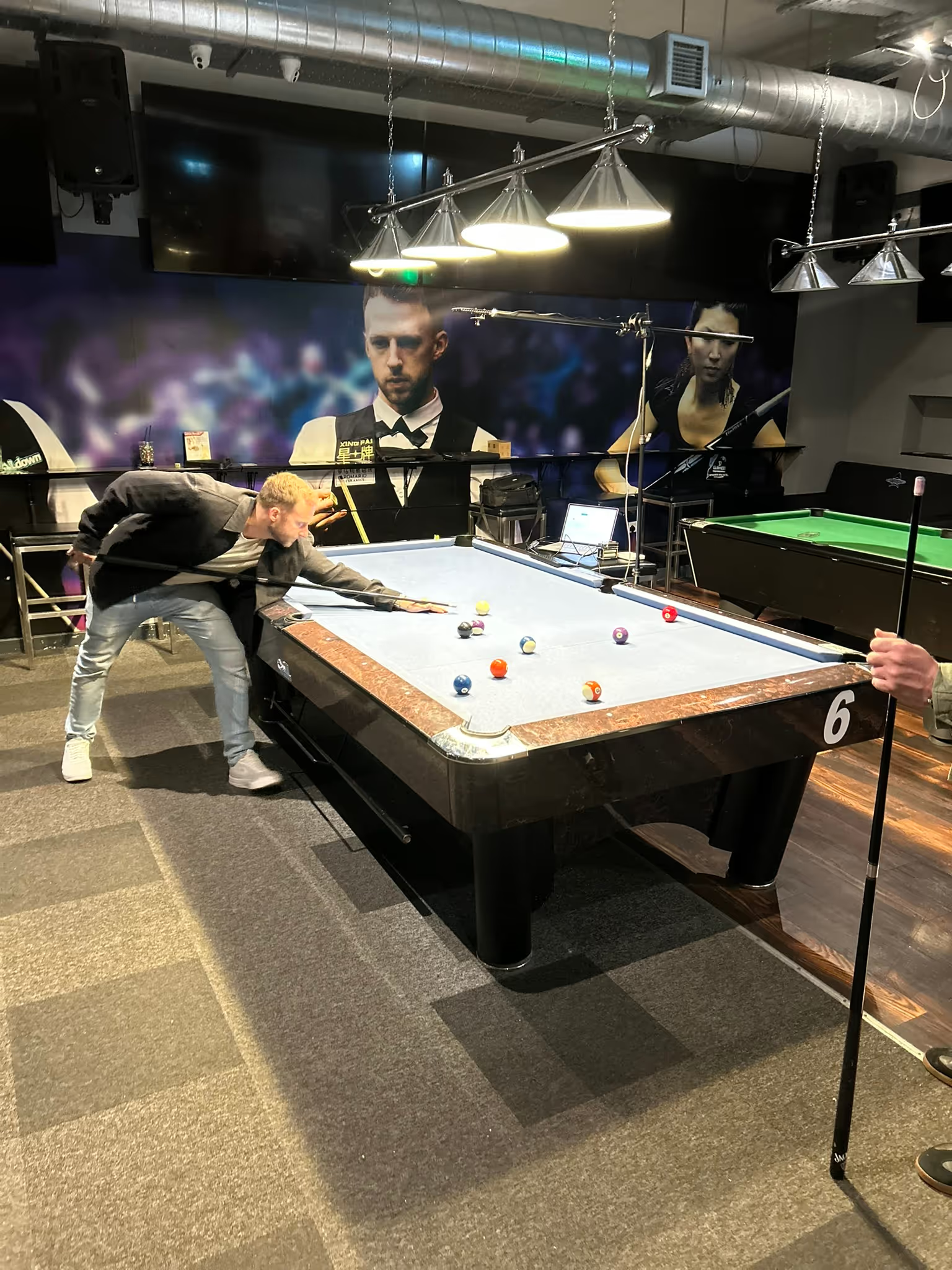
Session 1 · Small group test · Live venue
Our first live venue session focused on understanding how people naturally behave around the table in a typical social setting.

Learn more

WHAT WE OBSERVED

• Players prioritised conversation over gameplay
• Turns were often missed unless actively prompted
• The screen wasn’t checked consistently during play
• After potting a ball, players often took another shot (defaulting to traditional pool rules)

WHY IT MATTERS

In a social setting, pool is a background activity. Without clear, visible guidance, players fall backto familiar habits or disengage entirely.

wHAT WE'RE CHANGING

• Introducing stronger, more visible turn prompts
• Making turn ownership unmissable during gameplay
• Simplifying and reinforcing game rules through the interface
• Designing the experience around “guided play”, not assumed attentionystem is modular and designed to retrofit onto standard pool tables with minimal disruption.

This reinforced that players won’t track game state themselves, it needs to be instantly visible and easy to follow during play.

Engagement drops without variety

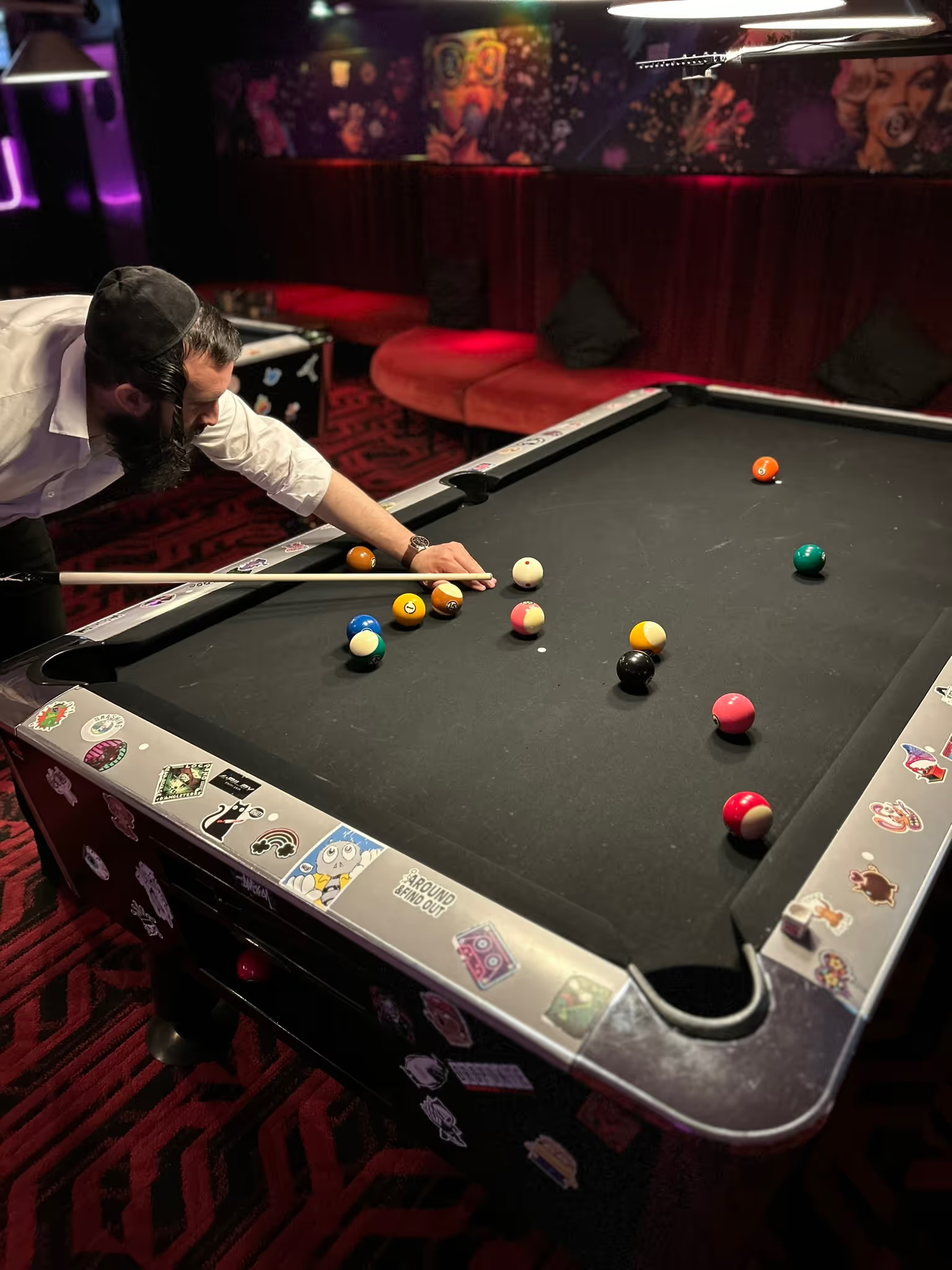
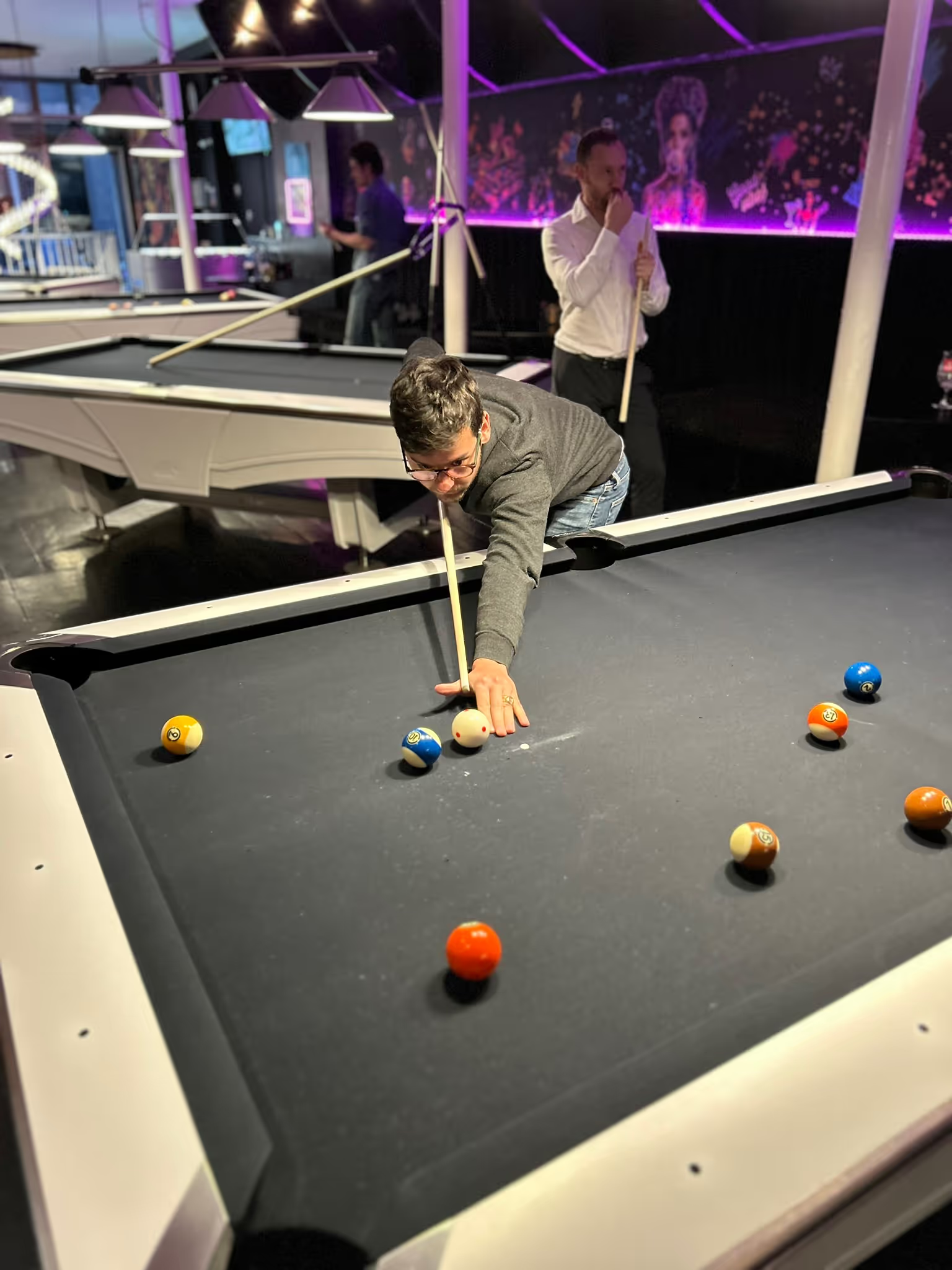
Session 2 · Small group test · Live venue
For the next session, the focus shifted to understanding how engagement held up over multiple rounds of play.

Learn more
WHAT WE OBSERVED

• Ongoing confusion around whose turn it was
• Players often took more than one shot after potting a ball
• Engagement was strong at the start of the session
• After several rounds, interest dropped and focus shifted back to socialising

WHY IT MATTERS

Initial engagement isn’t enough, the experience needs to hold attention over time. Without variation, gameplay becomes repetitive and players revert to treating it as background activity.

wHAT WE'RE CHANGING

• Exploring additional game formats to introduce variety across sessions
• Designing for shorter, more distinct rounds to maintain momentum
• Building a broader game library to support different group sizes and play styles overtime

The current prototype is intentionally limited to a single game format. A commercial version would introduce multiple game modes to sustain engagement across longer sessions.

Players don’t track the game, they rely on cues

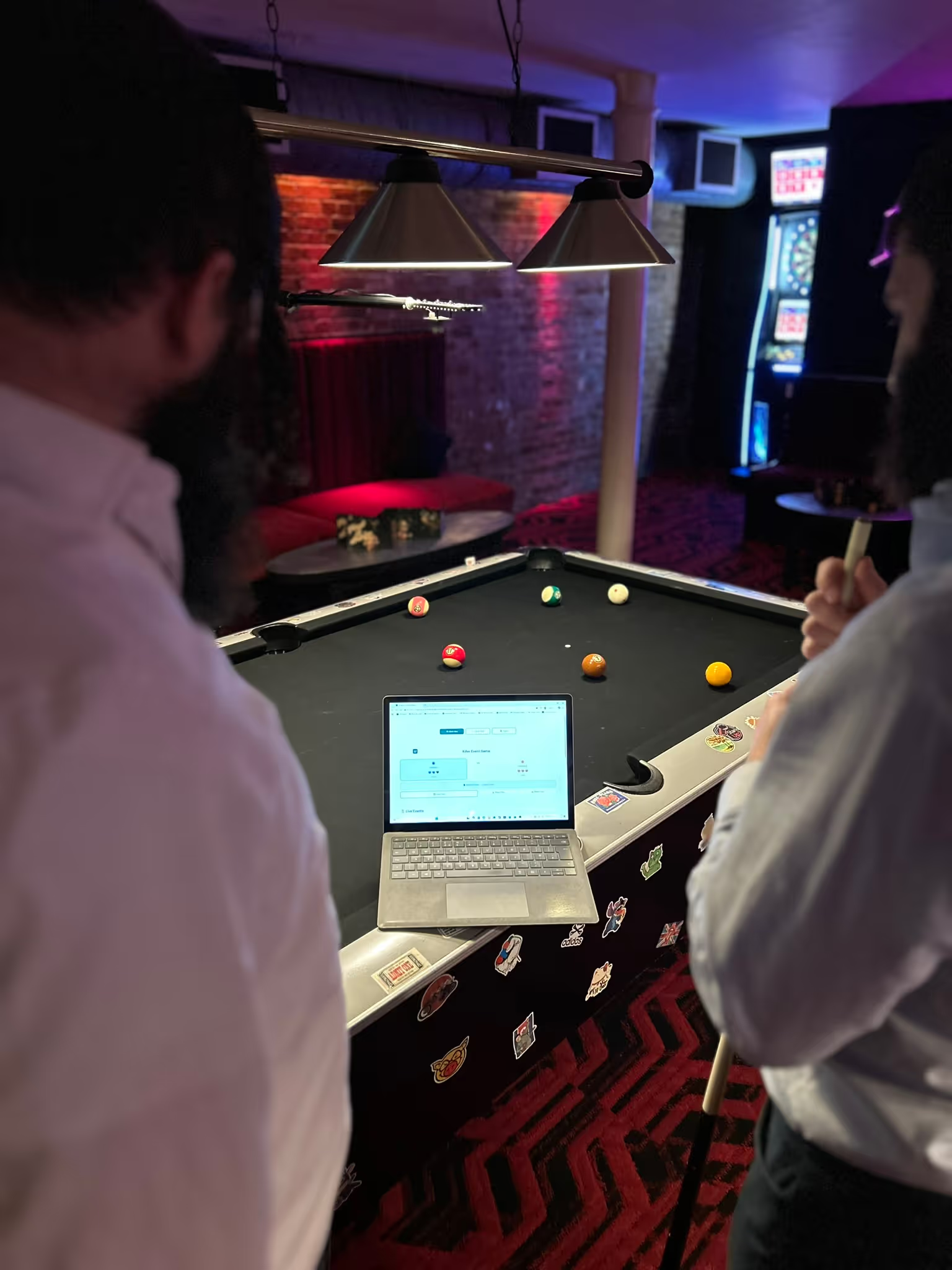
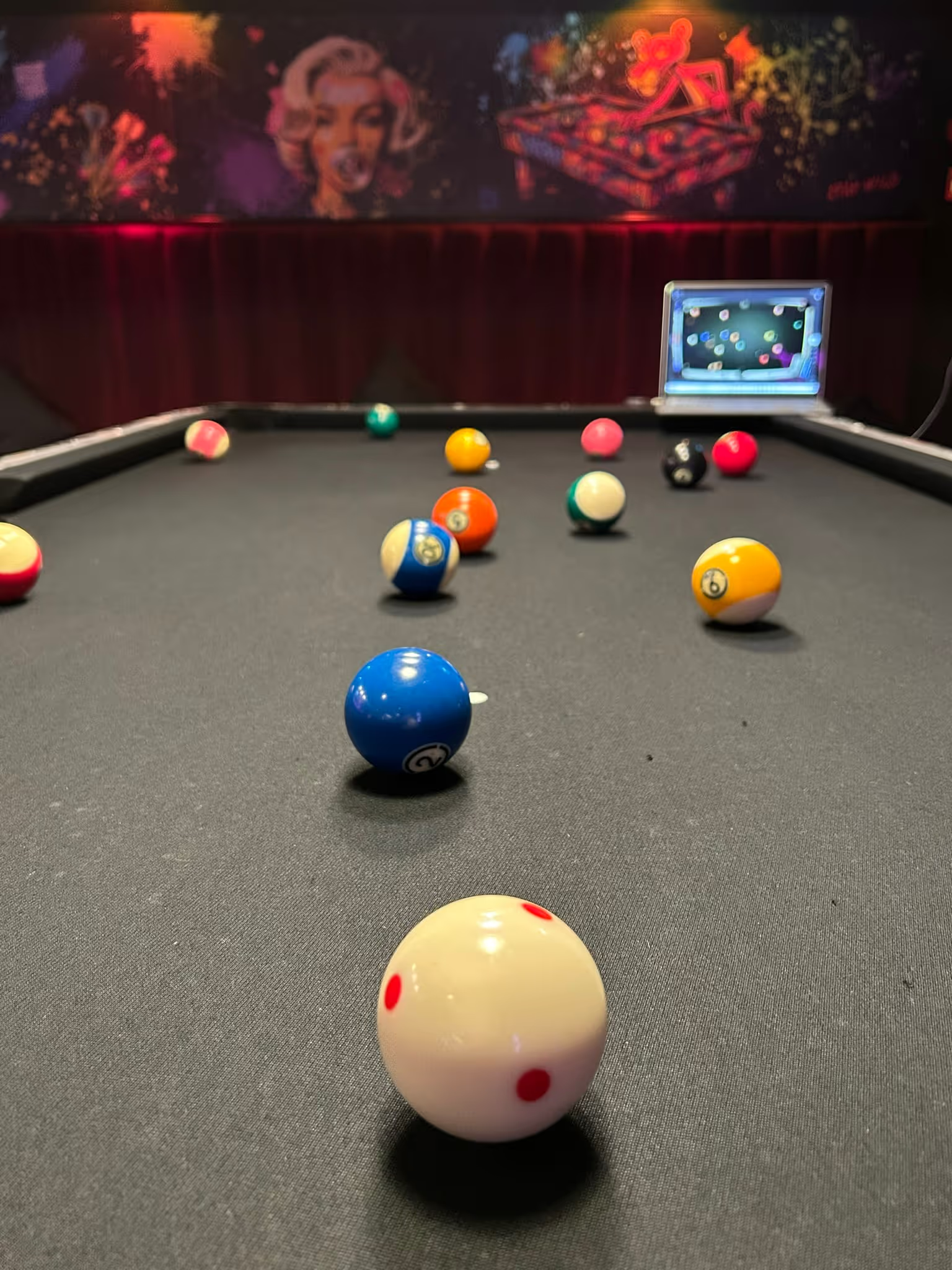
Session 3 · Small group test · Live venue
This session focused on how clearly players could follow the game state during play, particularly in a life-based format.

Learn more
WHAT WE OBSERVED

• Players repeatedly asked how many lives they had left
• The UI displayed this, but wasn’t always checked or trusted
• Players struggled to keep track of the current game state
• With two players, the game ended quickly, requiring frequent resets
• Players had to turn away from the table to check the screen

WHY IT MATTERS

In a live setting, players don’t actively track game state, they expect it to be obvious. If key information isn’t visible and immediate, gameplay slows and becomes fragmented.

wHAT WE'RE CHANGING

• Making player status (e.g. lives) more visible and persistent
• Making turn prompts and key signals more prominent on the screen
• Introducing flexibility in game setup (e.g. adjustable starting lives)
• Exploring ways to surface key information closer to the table over time

This session reinforced that players won’t manage the game themselves, state and progression needed to be instantly clear.

If the system breaks, the experience stops

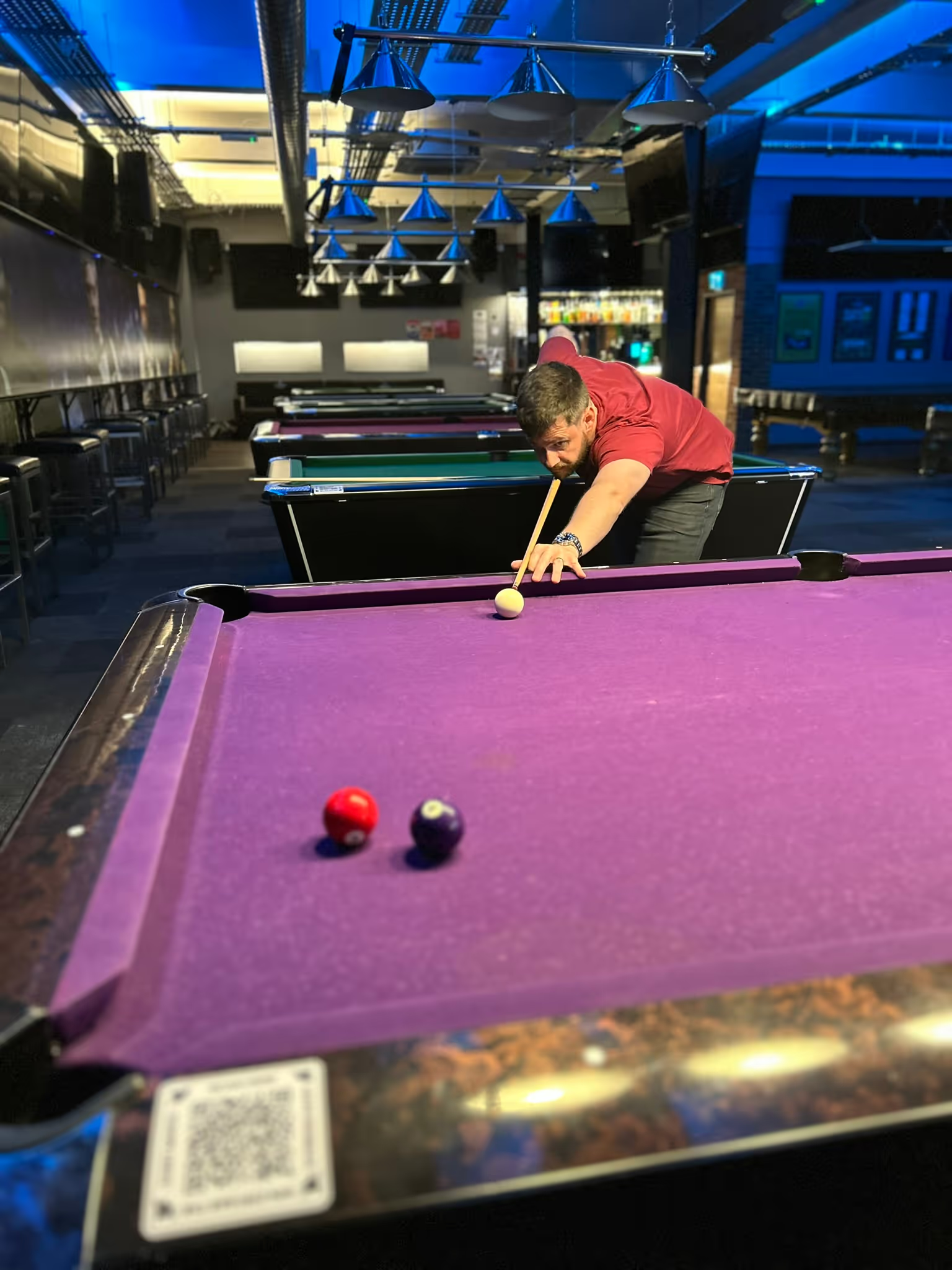
Session 4 · Single person test · New venue
To see how the system performed outside a familiar setup, we tested in a different venue environment.

Learn more
WHAT WE OBSERVED

• Ball tracking performance dropped due to a different table cloth
• Game state quickly became inaccurate
• The session required frequent manual intervention (resetting, clearing frames)
• Breaks in flow led to immediate disengagement

WHY IT MATTERS

The experience relies on trust in the system. If game state isn’t accurate or the flow is interrupted, engagement drops immediately, regardless of the game itself.

wHAT WE'RE CHANGING

• Improving robustness of ball tracking across different table conditions
• Reducing the need for manual intervention during gameplay
• Prioritising consistency and reliability over additional features
• Designing for uninterrupted, continuous play

This reinforced that the system needs to be seamless in the background, any friction or interruption quickly breaks the experience.

The concept lands, but reliability is everything

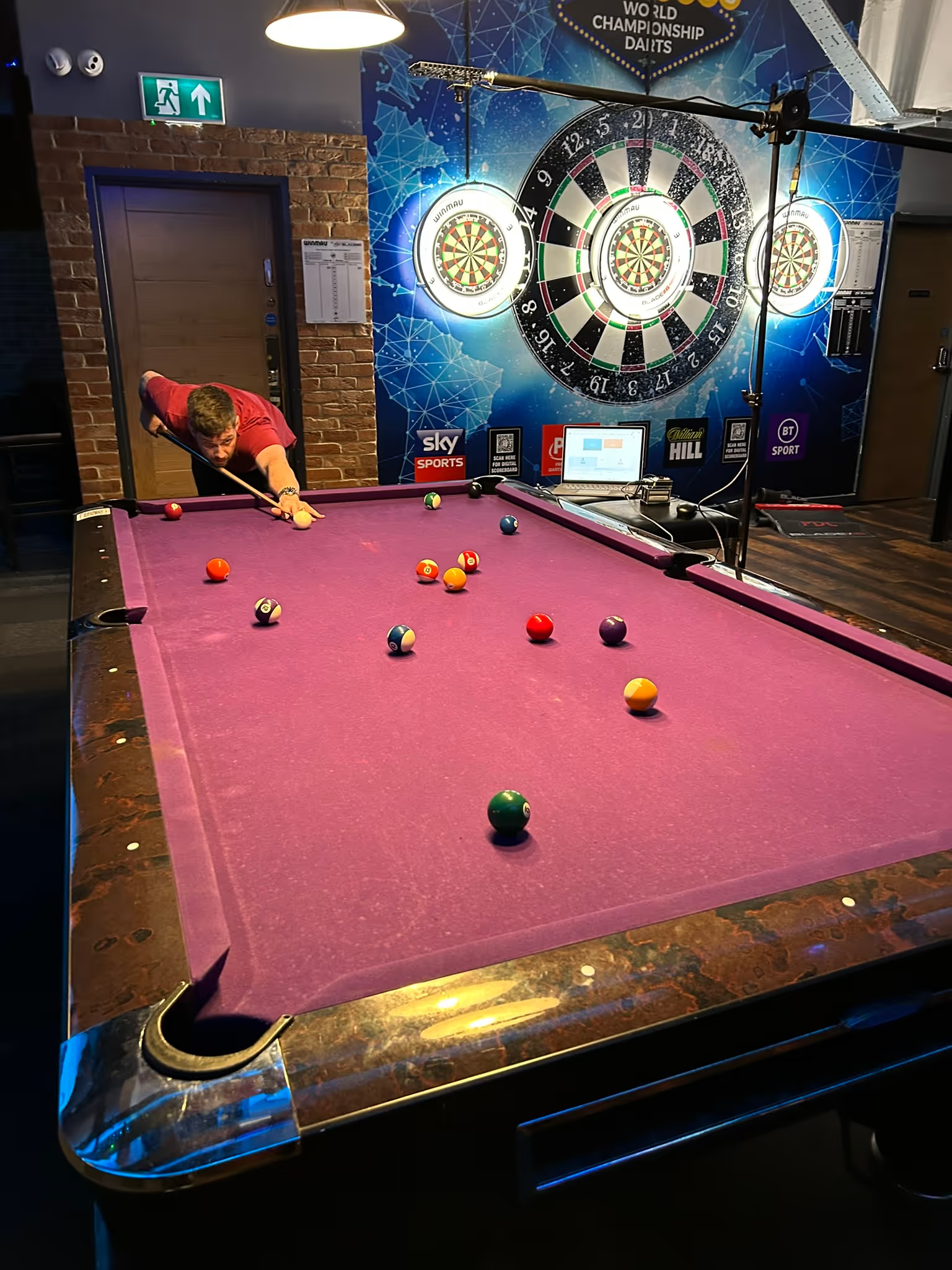
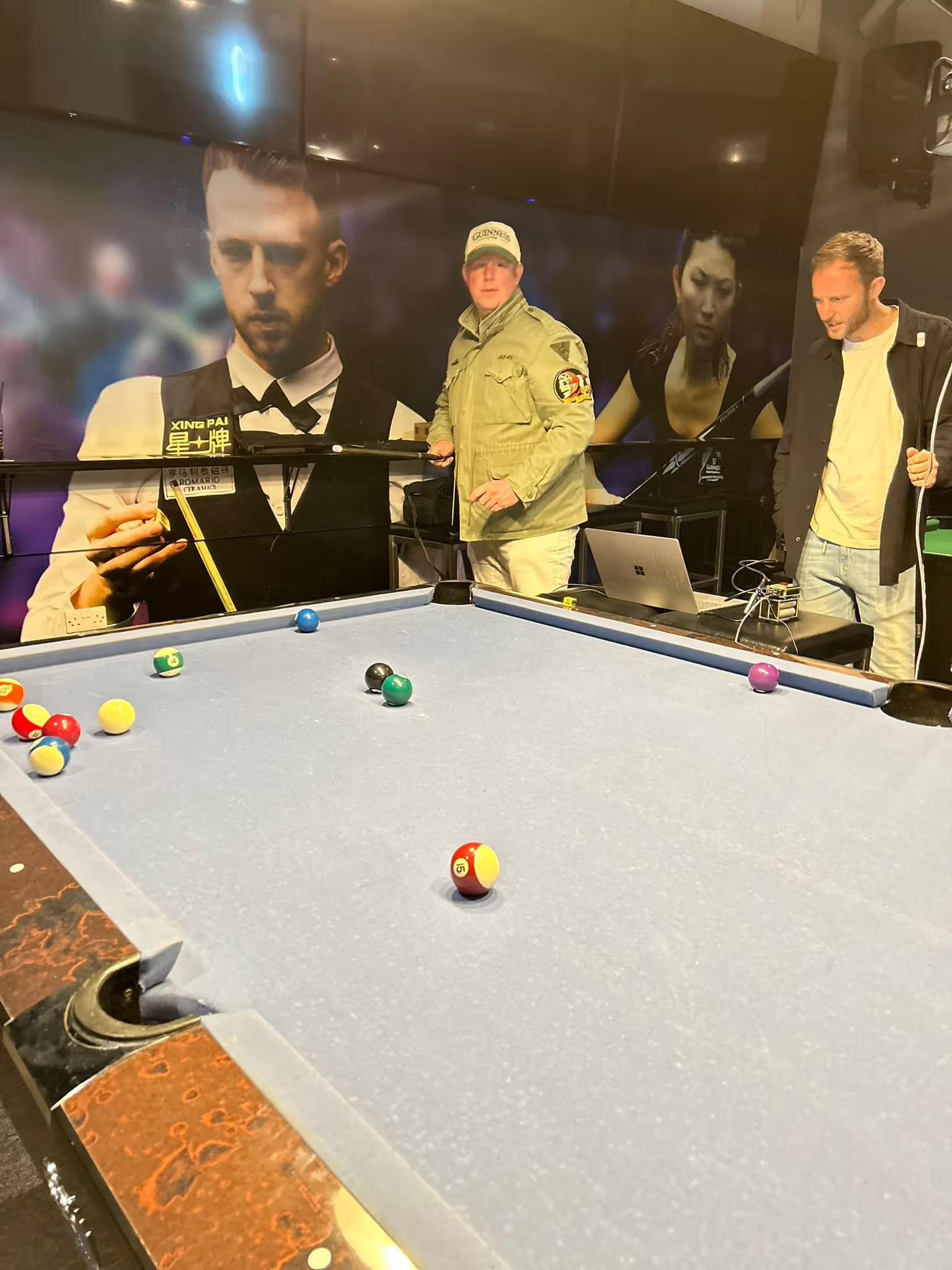
Session 5 · Small group test · New table conditions
This session tested how well the system could adapt to a different table setup, including a cloth colour the model had not originally been trained on.

Learn more
WHAT WE OBSERVED

• Ball tracking performed well despite the change in table conditions
• Users noticed and were impressed by the tracking element
• The game concept was understood quickly and well received
• Players commented that standard pool became repetitive before finishing
• The Killer-style format introduced a noticeable lift in engagement
• Connectivity issues prevented the full game from running smoothly

WHY IT MATTERS

The core concept resonates, players quickly understand and enjoy structured, social formats. However, the experience is highly sensitive to reliability. When the system doesn’t run seamlessly, engagement drops regardless of the underlying idea.

wHAT WE'RE CHANGING

• Moving core game logic and processing to run locally (on-device)
• Reducing reliance on venue WiFi for real-time gameplay
• Positioning connectivity for updates, diagnostics, and analytics only
• Continuing to improve tracking performance across varied table conditions

This highlighted that while the experience can translate across different environments, it needs to be fully self-contained to deliver consistently in a live venue.

Be part of the launch

join the future of social play